


Introduction

Planning a smooth visit to a heritage site in 2025 means balancing culture, comfort, and safety. In this concise guide to the malacca sultanate palace, I explain what the museum is, how to get there, what to see, and how to manage tickets and timing without stress. I also include practical safety best practices—especially for families and seniors—plus mobile-friendly habits so your visit feels easy-breezy, or as we say in Malaysia, not so susah lah. Whether you’re a history enthusiast or a casual traveler, this 2025 guide to the Malacca Sultanate Palace Museum will help you make the most of your experience with tips on location, exhibitions, ticket prices in RM, and opening hours.
Introduction to Melaka Sultanate Palace Museum
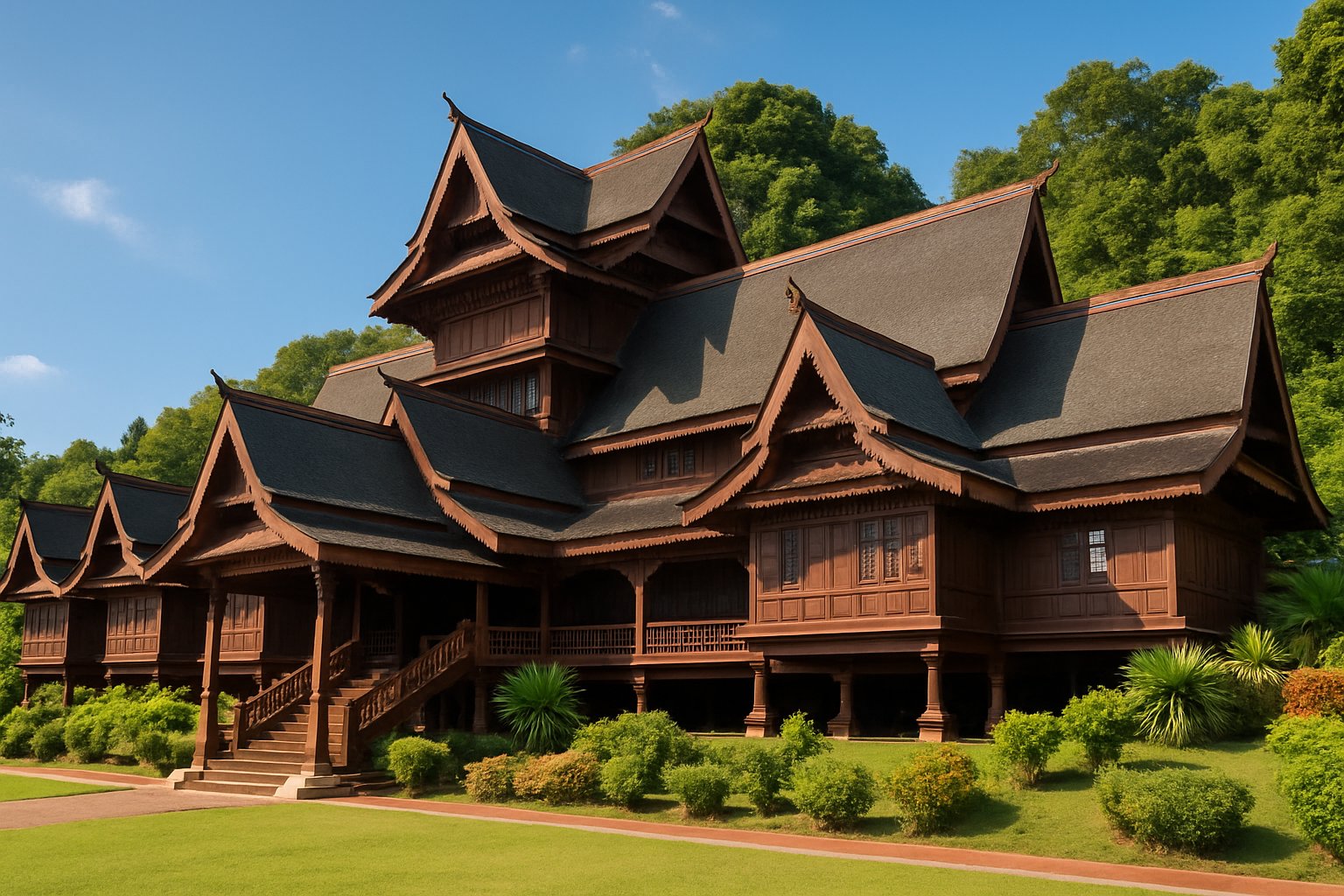
The Melaka Sultanate Palace Museum (Muzium Istana Kesultanan Melaka) is a faithful wooden reconstruction of the 15th-century royal residence, set at the foot of St. Paul’s Hill in the heart of the city. It blends architectural craft with storytelling, allowing visitors to step into a formative era of Malay courts, maritime trade, and diplomatic culture. For first-timers to Melaka, it’s a compact, well-structured stop that rewards an hour or two of focused exploration, making it an essential part of any itinerary exploring the Malacca Sultanate Palace.
Overview of the Museum
The building is a multi-story timber structure, traditionally assembled without nails and richly decorated with floral and geometric motifs. Inside, you’ll find galleries spread across levels featuring dioramas, textiles, weaponry, and courtly objects that reconstruct daily life and royal ceremonies. Labels are generally bilingual and easy to read, and lighting is thoughtfully balanced for visibility while protecting sensitive artifacts. Photography is often permitted in many areas, but expect no-flash rules; do check signs and respect staff guidance to safeguard exhibits. This setup ensures that visitors of all ages can appreciate the intricate details of the Malacca Sultanate Palace Museum without feeling overwhelmed.
Historical Significance
Melaka’s sultanate flourished in the 1400s, especially under Sultan Mansur Shah, when the port became a key node linking the Indian Ocean and the South China Sea. The palace story connects to the Malay Annals and the wider narrative of Southeast Asian diplomacy, trade, and culture. Seeing how the court received envoys, regulated commerce, and shaped etiquette helps visitors understand why Melaka still anchors conversations about Malay identity, legal codes, and maritime history today. This historical depth makes the Malacca Sultanate Palace a pivotal site for understanding the region’s past and its influence on modern Malaysia.
Location and Accessibility
Positioned along Jalan Kota within the heritage core, the museum is within easy walking distance of Melaka’s main landmarks. Terrain-wise, expect gentle slopes around St. Paul’s Hill, some steps, and polished wooden floors inside. If you’re traveling with kids, seniors, or a stroller, plan a steady pace and use handrails where available—staying safe is more enjoyable than rushing. Accessibility features are improving, but it’s wise to prepare for a mix of indoor and outdoor navigation when visiting the Malacca Sultanate Palace Museum.
Location Details
The palace sits in the Bandar Hilir area, near A Famosa and The Stadthuys, making it ideal to bundle into a half-day heritage loop. Signage in the precinct is good, and the museum is usually visible thanks to its distinctive multi-tiered roofline. The site environment is pedestrian-friendly, but do watch for occasional uneven paths and mind your footing after rain when surfaces can be slick. This central location enhances its appeal for tourists exploring Melaka’s rich history. Nearby parking and public transport options further simplify access to the Malacca Sultanate Palace.
How to Get There
If you’re driving, set your navigation app to Jalan Kota and follow parking signs around Dutch Square or designated lots nearby. Ride-hailing is widely available; it’s often the least stressful option during weekends or school holidays. From Jonker Street, it’s a comfortable walk across the bridge to Dutch Square and onward to the museum—allow extra time if moving with a group or pushing a stroller. Public buses also serve the area, providing an economical choice for budget travelers. No matter your mode of transport, arriving at the Malacca Sultanate Palace Museum is straightforward and convenient.
Nearby Attractions
Within a short radius you have A Famosa, St. Paul’s Hill and Church, The Stadthuys, Flor de la Mar Maritime Museum, and the river promenade. This cluster makes itinerary planning straightforward: do an indoor-outdoor mix to balance heat and energy. If you’re on a tight schedule, pair the palace with St. Paul’s Hill for history context, then loop back through Dutch Square for refreshments. These nearby attractions complement the themes of trade and colonialism explored in the Malacca Sultanate Palace. Exploring them together offers a comprehensive view of Melaka’s UNESCO-listed heritage.
Exhibitions and Highlights
The museum uses reconstructive scenes and carefully chosen objects to tell layered stories: court protocol, trade flows, costume, craft, and warfare. Aim to pace yourself floor by floor; pausing at the dioramas gives context before you move on to specialized displays. These exhibitions provide an immersive experience into the era of the Malacca Sultanate Palace, highlighting its role in regional history.
Main Exhibitions
Highlights include court-life dioramas that illustrate protocol, attire, and audience rituals, making abstract history feel tangible. Weaponry and regalia exhibits showcase the keris, spears, and armor, explaining symbolism and craftsmanship rather than just form. Trade galleries often connect Melaka to ceramics, textiles, and spices circulating across Asia, clarifying how diplomacy and commerce intertwined in the sultanate’s heyday. Visitors can gain insights into the economic prowess that defined the Malacca Sultanate Palace. Each exhibit is designed to educate and engage, ensuring a memorable visit.
The Throne Room
The recreated balairong seri (throne room) is the emotional centerpiece. Spatial choreography, platform levels, and guard placement reveal power dynamics without needing long text. Move slowly, look for patterns in ornamentation, and mind the boundaries—docents sometimes cordon off areas to protect flooring. If you photograph here, avoid flash and strong lights out of respect for conservation and other visitors. This room encapsulates the grandeur and authority of the Malacca Sultanate Palace, leaving a lasting impression on all who enter.
Tickets and Entrance Fees
Ticketing is straightforward, and prices are typically modest by international standards. The museum sometimes participates in multi-museum schemes with nearby institutions, especially during peak seasons. Below is an indicative 2025 snapshot; exact rates can vary by residency and promotions. Understanding ticket options helps in planning a budget-friendly visit to the Malacca Sultanate Palace Museum.
Pricing Information
Use the table as a planning guide; bring a physical or digital ID for student, senior, or resident rates. Many counters accept cash and common e-wallets; keeping a digital receipt is handy for quick verification. Prices for the Malacca Sultanate Palace Museum are designed to be accessible, encouraging more visitors to explore this cultural gem.
| Visitor Type | Indicative Price (RM) | Notes |
|---|---|---|
| Malaysian Adult | 5–10 | MyKad usually required |
| Malaysian Child/Student | 2–5 | Student ID may be requested |
| Foreign Adult | 10–20 | Rate varies by season |
| Foreign Child | 5–10 | Age thresholds may apply |
| Senior (Malaysian) | 2–5 | Show ID for concession |
| Family Bundle | Varies | Occasional promos/combos |
Discounts and Packages
Look out for combined tickets with neighboring museums in the Melaka Museum Complex, especially during holidays. School groups and tour operators sometimes get reduced rates with advance notice, so it pays to organize headcounts early. For a smoother, safer experience, keep tickets digital, label them clearly, and store them in a shared album so everyone in your party can access them on mobile. These options make visiting the Malacca Sultanate Palace Museum more affordable and convenient for groups and families. Always check the official website for the latest promotions.
Operating Hours and Visitor Tips
Hours are generally daytime, with last admission before closing. Because holiday schedules change, adopt a mobile-first habit: confirm hours on the day of your visit and enable offline maps in case network coverage dips in busy areas. These tips ensure a hassle-free experience at the Malacca Sultanate Palace Museum.
Opening Times
Most visitors can expect opening hours around 9:00 a.m. to 5:00 p.m., with the last entry typically 30–45 minutes before closing. Public holidays and school breaks may extend or adjust timing, and Friday prayer windows can affect mid-day flow. If you’re planning a multi-stop itinerary, anchor your day around the museum’s last-entry time to avoid rushing the best galleries. Checking ahead prevents any surprises when visiting the Malacca Sultanate Palace Museum.
Best Times to Visit
Arrive early morning to beat both the heat and the crowd, especially on weekends and during school holidays. Weekdays outside of lunch hours are usually calmer and better for thoughtful viewing and photos. If it rains, consider postponing climbs to nearby hill sites and spend extra time inside the palace until paths dry. This timing strategy enhances your enjoyment of the Malacca Sultanate Palace exhibitions. Planning around peak times can make your visit more relaxing and immersive.
Additional Visitor Guidelines
Dress modestly and wear stable footwear; polished wood can be slippery after rain or when floors are freshly cleaned. Keep voices low in galleries and respect roped-off sections—these protect fragile floors and help everyone enjoy the space. Families should brief kids on “look, don’t touch,” and use handrails on stairs; seniors may prefer a slower route with rest breaks. To stay comfortable, hydrate regularly and carry a small towel since Melaka’s heat can be intense. Secure your belongings like phones and wallets, especially in crowded areas around Dutch Square, and use your phone’s responsive reader mode for labels if lighting is dim. Storing e-tickets and IDs in a shared album allows for quick checks at the counter, making the process efficient. With these best practices, your visit stays safe, respectful, and efficient—leaving you more energy to jalan-jalan through the rest of Melaka’s heritage quarter.







Leave a Reply