

Introduction
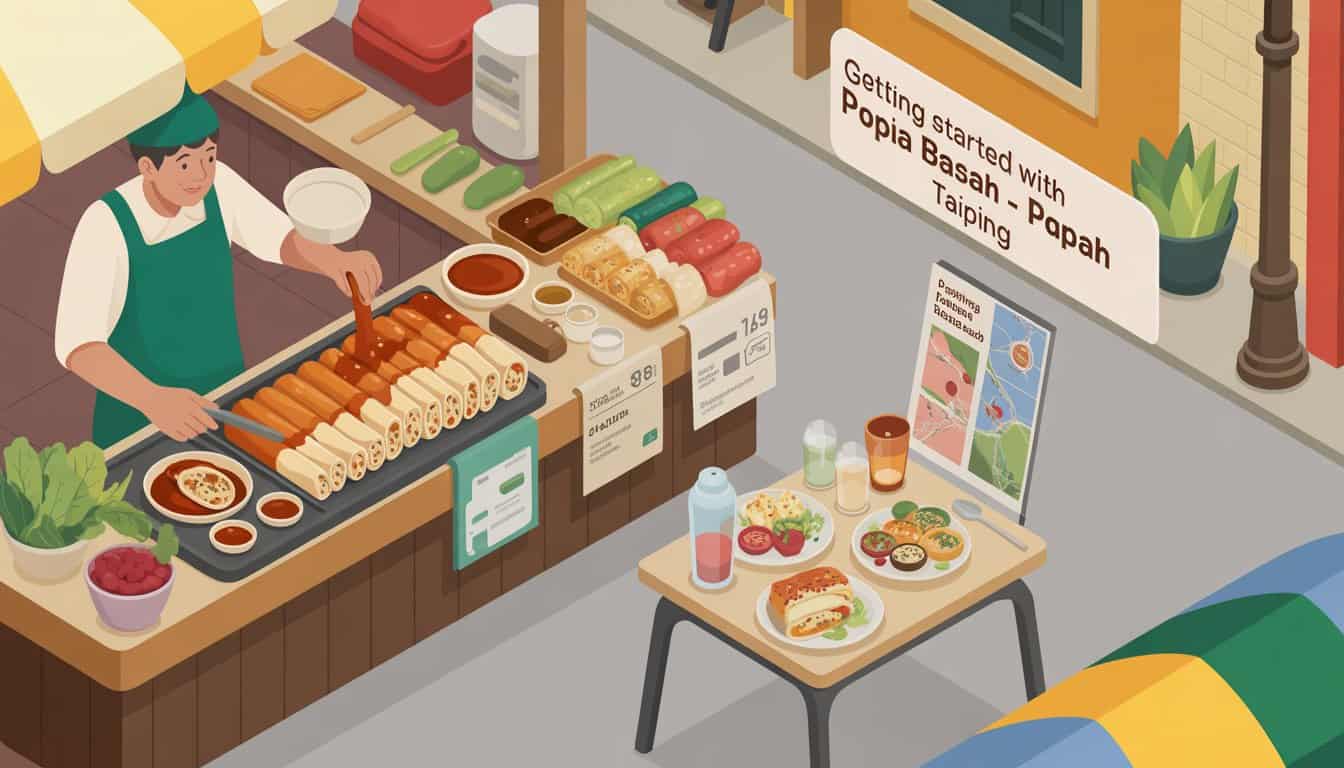
If you’re curious about the soft, sauce-kissed rolls locals rave about, this getting-started guide will help you taste, understand, and even make Popia Basah the Taiping way. You’ll learn where to find reliable stalls, what goes inside a classic roll, and how to pair it with other local delights—all with wallet-friendly tips. For a quick overview as you plan your trip, you can also bookmark this page while searching for popia basah taiping so you have everything in one place.
Introduction to Popia Basah
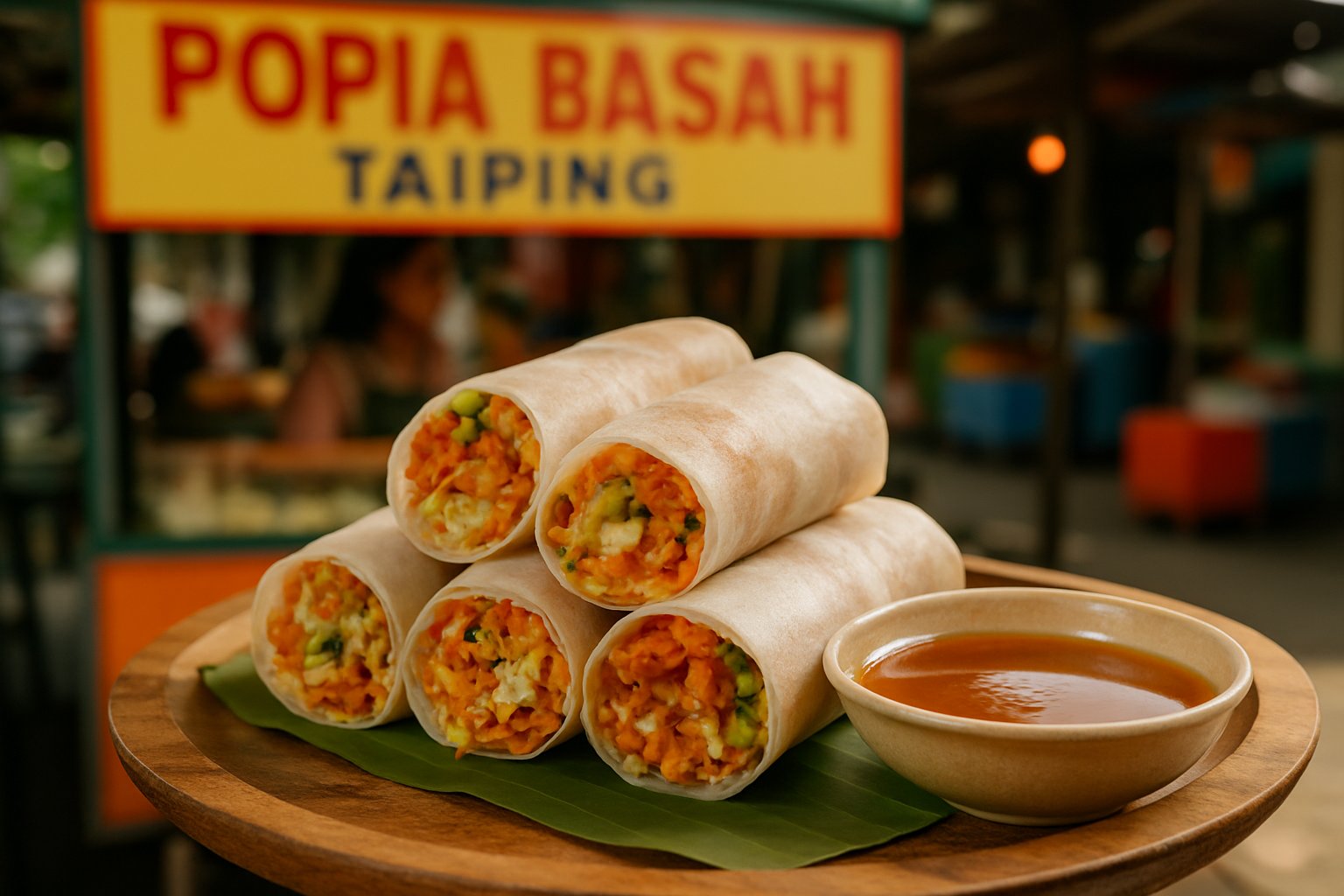
Popia Basah is a beloved Malaysian snack-meal that balances savory fillings with fresh wraps and a gently sweet-salty sauce. In Taiping, vendors keep the flavor bright and the prices accessible, making it easy to try more than one roll. This dish embodies the region’s vibrant street food culture, offering a delightful mix of textures and tastes that appeal to both locals and visitors exploring Taiping street food.
What is Popia Basah?
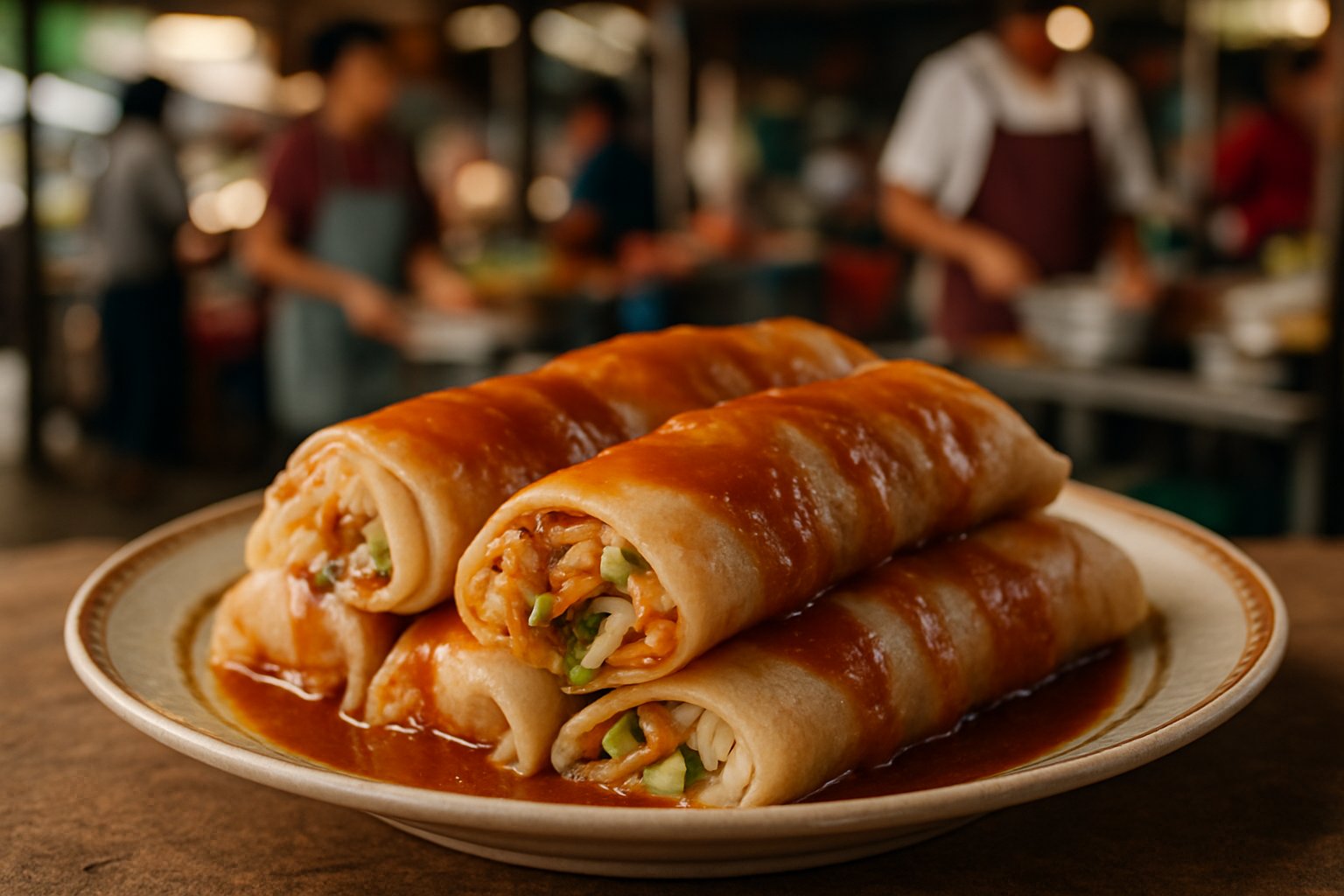
Popia Basah is a fresh spring roll wrapped in a thin popiah skin and moistened with light sauce, not deep-fried. Inside, you’ll typically find braised turnip (sengkuang), bean sprouts, lettuce, egg, and sometimes shredded chicken or tofu. The charm lies in contrast: tender vegetables, soft wrap, a hint of garlic and chili, and a sauce that ties it all together without making it soggy. Many enjoy it as a quick bite during busy days, appreciating how the fresh ingredients provide a refreshing alternative to heavier fried snacks commonly found in Malaysian cuisine.
Its history and popularity in Taiping
Popia Basah reflects Malaysia’s mixed culinary heritage, with roots in Chinese spring rolls adapted by Malay and Peranakan cooks. Taiping’s food courts and night markets embraced it early, thanks to the town’s vibrant hawker culture and love for simple, satisfying fare. Over time, a few stalwarts gained loyal followings, keeping prices fair and flavors consistent, which is why you’ll hear locals recommend it as a must-try snack in 2025. Its enduring appeal stems from the affordability and the way it captures the essence of Taiping’s diverse food scene, drawing crowds to Taiping night markets year after year.
Famous Locations
Taiping’s best Popia Basah is often found in busy food courts and pasar malam where turnover is high, so ingredients stay fresh and the rolls taste lively. Expect friendly service, fast prep, and value for money—great if you’re tasting your way through multiple stalls in one evening. These spots not only serve delicious rolls but also immerse you in the local atmosphere, making them ideal for anyone seeking authentic Taiping street food experiences.
One standout location is Omar Popiah at Medan Selera Larut Matang, known for its classic wet popiah with a perfectly balanced sauce. Nearby food court stalls in Taiping town center offer quick service and consistent flavors, often priced affordably for casual snacking. Night market vendors at various pasar malam provide freshly prepped rolls with a vibrant local vibe, while stalls near the Lake Gardens area, close to Taman Tasik, serve as scenic stops that are perfect for snack-friendly outings. Prices generally range from RM2.80 to RM5 per roll, depending on the spot and additions, ensuring it’s an accessible treat for all budgets.
Omar Popiah at Medan Selera Larut Matang
Omar Popiah at the Larut Matang food court is a common first stop because the rolls are consistent, generously filled, and fairly priced. You’ll typically get crisp bean sprouts, tender sengkuang, and a sauce that’s savory with a mild sweetness. Go during peak hours if you prefer freshly assembled rolls and the fun of watching the wrapping in action. This spot has built a reputation for reliability, making it a favorite among locals who frequent Medan Selera Larut Matang for their daily dose of Omar Popiah.
Other must-visit spots for authentic flavors
Beyond Omar, scan the surrounding stalls in Taiping’s main food courts for short queues and steady turnover—both signs of freshness. Pasar malam vendors are excellent for quick bites; you can compare spice levels and sauce sweetness across stalls in one evening. If you’re wandering near the Lake Gardens, look for compact menus that focus on a few items, a good indicator that the stall is dedicated to doing Popia Basah well. These locations enhance the overall experience by offering variations that highlight the diversity of Taiping street food, encouraging visitors to explore and discover their personal favorites.
Ingredients and Preparation
Understanding the components helps you judge quality at a glance and, if you’re game, recreate the roll at home. The key is balance: tender veggies, soft wrap, and a light sauce that enhances rather than overwhelms. Mastering these elements can turn a simple popiah basah recipe into a homemade delight that rivals Taiping’s street vendors.
Key ingredients for Popia Basah
A typical Taiping-style Popia Basah uses a handful of fresh, affordable ingredients like popiah skins that are fresh and thin for easy rolling. Braised sengkuang (turnip) and carrots form the hearty base, while bean sprouts and lettuce add crunch and freshness. Egg strips or tofu provide protein, with optional shredded chicken for variety, and garlic-chili paste along with sweet bean or hoisin-style sauce bring the flavors together. Don’t forget fried shallots and peanuts for aroma and crunch, ensuring the roll is vegetable-forward yet customizable. You can adjust the protein or heat level to suit your preferences, but keeping the base light prevents the roll from becoming watery and helps maintain its neat structure.
Step-by-step guide to making it at home
Start by braising shredded turnip and carrots with a touch of soy, a pinch of sugar, and garlic until tender but not wet. Prep your garnishes: lightly blanched bean sprouts, crisp lettuce, fried shallots, crushed peanuts, and thin egg strips or tofu. Keep components cool or at room temperature so the skin doesn’t tear. Lay a popiah skin on a clean board and smear a small line of chili-garlic paste, then add a spoon of braised vegetables, a few sprouts, greens, and protein, before drizzling a modest amount of sweet sauce. Roll tightly—fold sides in first, then roll away from you—and serve immediately so the skin stays pleasantly moist, not soggy. This method allows you to experiment with your popiah basah recipe, making it a fun activity for family gatherings or casual meals.
Local Delights and Pairings
Popia Basah is light enough to pair with multiple Taiping favorites, which is great when you’re exploring on a budget. Mix and match snacks and drinks to build a satisfying, affordable meal. These combinations enhance the enjoyment of affordable Malaysian snacks, turning a simple roll into part of a broader culinary adventure in Taiping.
Complementary Taiping foods
Pair your roll with iced kopi or teh for a refreshing contrast to the warm, savory fillings. A small bowl of clear soup or a side of curry puffs rounds out textures without overpowering the popiah’s delicate sauce. If you want a heartier spread to share, add char koay teow or chee cheong fun and let Popia Basah play the fresh, bright counterpoint. These pairings not only balance flavors but also allow you to sample more of Taiping’s diverse hawker offerings in one sitting, making your visit more memorable and fulfilling.
Tips for visitors with photos and insights
Visit during early evenings or peak lunch when turnover is highest and flavors are liveliest. On desktop, zoom into stall photos and menus to compare fillings, sauce color, and portion size before you head out. When photographing, stand near the prep counter for a clear angle of the rolling process, and ask before shooting—vendors are usually happy to pose the perfect “wrap and drizzle” moment. These tips can help you capture authentic moments and make informed choices about where to enjoy your Popia Basah, enhancing your overall experience in Taiping’s food scene.
FAQs
Here are quick answers to beginner questions so you can order confidently and enjoy your first bite like a local. These FAQs address common curiosities about Popia Basah Taiping, helping newcomers navigate this delicious street food with ease.
Is Popia Basah spicy?
It’s usually mild by default. You can request more or less chili paste to adjust the heat. If you prefer no spice, ask for sauce without the chili and add a few drops later after tasting. This flexibility makes it accessible for various palates, ensuring everyone can enjoy the flavors of Popia Basah Taiping.
How much does a roll cost in Taiping?
Most stalls charge around RM3–RM5 per roll in 2025, depending on fillings and portion size. Combo deals or add-ons like extra egg may add RM0.50–RM1. It remains an affordable snack-meal compared to heavier dishes. With such budget-friendly pricing, it’s easy to try multiple variations without breaking the bank during your Taiping visit.
Can I get a vegetarian version?
Yes. Many vendors offer tofu and extra vegetables instead of meat. Confirm that the sauce is vegetarian if needed, and ask for more peanuts, fried shallots, or egg strips (if you eat eggs) for added texture. This option caters to diverse dietary preferences, making Popia Basah a versatile choice in the world of affordable Malaysian snacks.
Conclusion
From classic stalls at Larut Matang to lively night markets, Taiping makes it easy to taste good Popia Basah without stretching your budget. Keep this guide handy, try two or three stalls for comparison, and build a simple pairing around your favorite roll. Whether you’re a first-time visitor or a returning fan, Popia Basah remains a highlight of Taiping’s culinary landscape.
Why Popia Basah is a must-try in Taiping
It’s affordable, flavorful, and refreshingly light—perfect when you want to sample more of Taiping’s hawker scene. The balance of tender vegetables, soft skin, and gentle sauce offers comfort without heaviness. Start with a classic roll, customize your spice level, and you’ll quickly see why locals keep coming back. Its popularity continues to grow, drawing food enthusiasts to explore the unique twists offered by different vendors across Taiping.







Leave a Reply